English| EUR
Suggested for you
More currencies
Choose a language
Temple of the Moon sits along Machu Picchu's mountain trails, where horseback access follows strict rider safety protocols. This guide covers weight limits, physical requirements, and what tour operators enforce before you book a trail ride to the archaeological site.
Quick answer
Horseback riding weight restrictions for Temple of the Moon trails typically enforce a maximum rider weight of 100 kg (220 lbs), though individual tour operators may set limits between 90–110 kg depending on horse size and trail conditions. Riders must demonstrate basic balance and mobility to mount independently. Operators assess fitness during pre-ride briefings, and altitude acclimatization is required for all participants attempting the Huayna Picchu trail system.
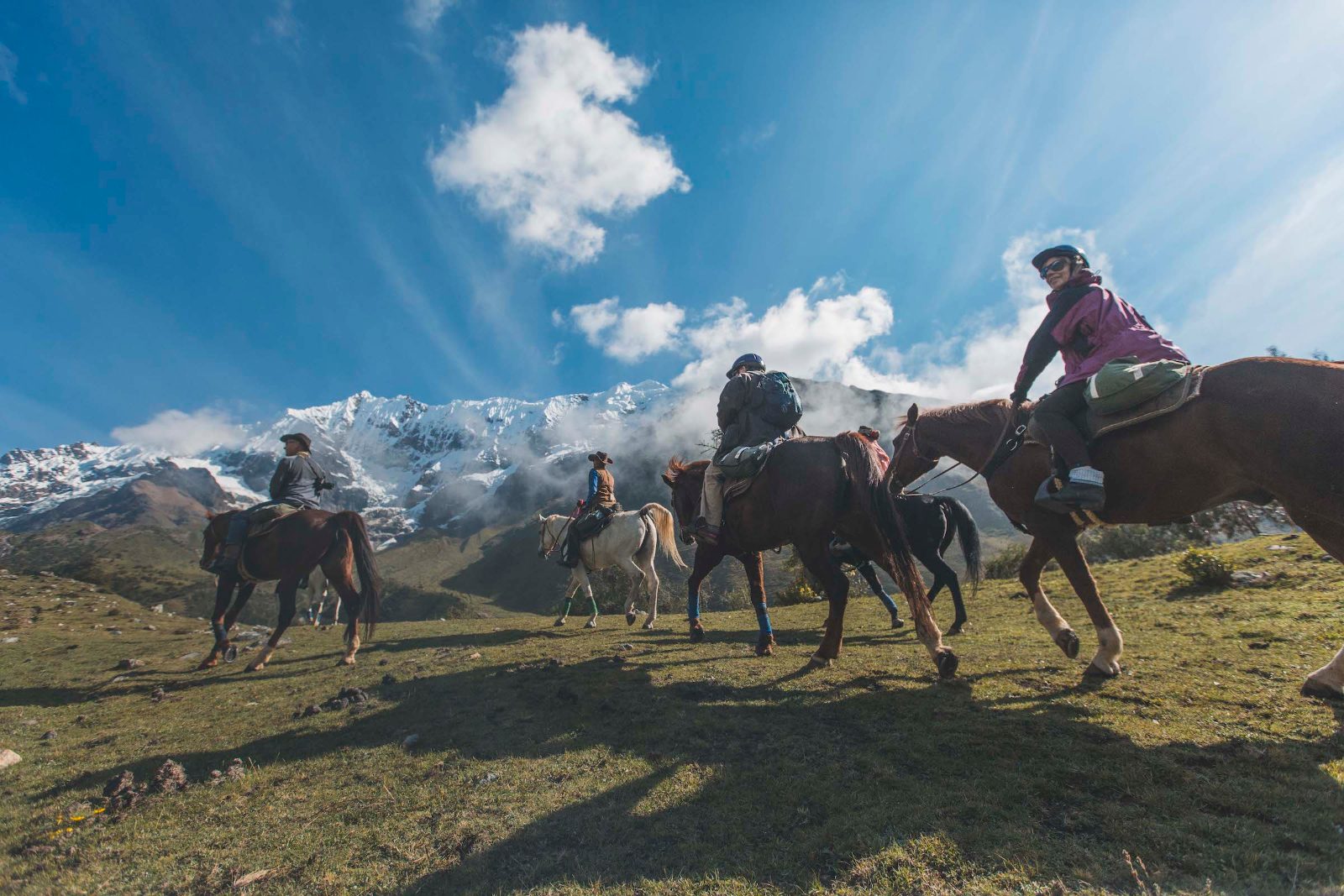
No horseback tour departs for Temple of the Moon without a weight declaration—operators working the Machu Picchu region enforce rider limits not as policy theater but as load-bearing math. The Andean horses used on these trails descend from Spanish colonial stock bred for high-altitude endurance, not heavy burden. A 100-kilogram threshold protects both animal welfare and rider safety on slopes where footing narrows and switchbacks tighten. Most outfitters maintain a 90–100 kg (198–220 lbs) ceiling, with a handful extending to 110 kg for riders matched to larger horses. Weight alone does not disqualify; distribution, riding posture, and the ability to shift balance on uneven terrain factor into operator decisions. Pre-ride assessments test mounting capability, grip strength, and core stability—riders who cannot swing into the saddle unassisted or hold reins with steady hands face deferral regardless of declared weight. The altitude complicates every physical task; what feels manageable at sea level becomes labored at 2,400 meters, and the trail to Temple of the Moon climbs higher still along Huayna Picchu's flanks. Saddle fit dictates much of the restriction framework. Andean pack saddles sit lower and distribute weight across a broader surface than Western or English tack, but they leave little margin for poor posture. Riders who lean heavily or shift abruptly risk chafing the horse's withers, and guides monitor gait throughout the ascent. If a horse shows stress—ears pinned, shortened stride, labored breathing—the ride ends regardless of distance covered. Most operators require riders to dismount and walk the steepest sections, a protocol that turns the journey into a hybrid trek rather than a fully mounted ride. Physical requirements extend beyond the saddle. Riders must navigate exposed trail edges, handle reins in rain or wind, and maintain composure when horses balk at narrow passes. Pregnancy, recent surgery, and certain cardiovascular conditions trigger automatic exclusions. Travel insurance that covers high-altitude riding is not mandatory but strongly recommended; evacuation from the trail involves either a steep hike back to the trailhead or, in emergencies, helicopter extraction coordinated from Aguas Calientes. The Temple of the Moon remains accessible by foot for those who do not meet riding criteria, and many visitors find the hike less restrictive than the mounted route's safety protocols.
“Weight alone does not disqualify; distribution, riding posture, and the ability to shift balance on uneven terrain factor into operator decisions.”
Weight limits protect both horses and riders on steep Andean trails. Operators enforce a maximum rider weight of 220 pounds (100 kg) and require closed-toe footwear and long pants for all participants.
The Temple of the Moon maintains consistent daily operations throughout the week to accommodate visitors. All horseback riding logistics and site access follow these scheduled hours.
The best arrival window for horseback riding near the Temple of the Moon is 07:00–09:00. This early timeframe minimizes exposure to midday heat and ensures optimal trail visibility for both rider and horse.
Cooler mornings, 18°C to 22°C. Stable terrain reduces physical strain for horses and riders during treks.
Frequent rain, 16°C to 20°C. Muddy paths require careful navigation and stricter adherence to rider weight guidelines.
—;Early access provides the most stable trail footing and reduces the duration horses spend working in peak sun.
Verdict: The best window is the early morning arrival of 07:00–09:00 during the dry season months of May through October.
The Temple of the Moon is located within the Huayna Picchu sector of the Machu Picchu complex in the Cusco Region. Access to this area for horseback riding excursions requires coordination with authorized transport providers who manage transit to the designated trailhead.
Consettur shuttle from Aguas Calientes to Machu Picchu entrance
Inca Trail to Huayna Picchu sector
PeruRail or Inca Rail to Machu Picchu Station
To ensure availability for your scheduled activity, prioritize arrival during the best arrival window of 07:00–09:00. This period facilitates efficient entry and provides the most consistent trail conditions for riders.
Everything you need to know about horseback riding weight restrictions
Most operators enforce horseback riding weight restrictions typically capped between 90kg and 100kg to ensure animal welfare and trail safety. You should verify specific limits with your chosen stable before finalizing your reservation.
Yes, requirements for a Cusco equestrian tour depend heavily on the size and breed of the horses used by specific providers. Always check the safety protocols of your tour operator to ensure they align with your personal physical requirements.
While there is no universal industry regulation, horseback riding weight restrictions are standard practice for mountain terrain to protect the health of the horses. Adhering to these guidelines is essential for a safe experience on the uneven paths surrounding the site.
Exceeding the horseback riding weight restrictions may result in the inability to mount the horse or the cancellation of your excursion upon arrival. Providing accurate weight information during your booking process prevents logistical issues on the day of your ride.
Visitors should be prepared for steep, uneven terrain when navigating the region near the Temple of the Moon. While not a strict fitness test, basic mobility is required to manage the trail and potential altitude challenges.
Child participation in horseback riding is subject to both age and weight guidelines established by individual service providers. Please review the specific policies of your tour operator to confirm if your child meets the criteria for the trail.
Rider safety logistics include wearing appropriate footwear, understanding basic handling instructions, and maintaining communication with your guide. Following these guidelines helps maintain a secure environment while exploring the historical significance of the area.